

2027 Polls: Maho, Igbuzor Challenge Parties Over Weak Structures, High Nomination Fees
Dr. Nafisat Makinde, Abuja
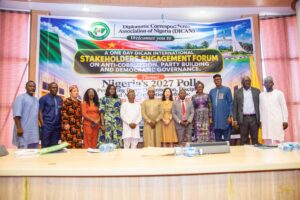
Weak internal democracy, high nomination fees and poor accountability within political parties could undermine Nigeria’s 2027 general elections, governance experts have warned.
The concerns were raised at a one-day International Stakeholders Engagement Forum on Anti-Corruption, Party Building and Democratic Governance organised by the Diplomatic Correspondents Association of Nigeria (DICAN), in collaboration with the Embassy of the People’s Republic of China in Nigeria, at the Rotunda Hall of the Ministry of Foreign Affairs, Abuja. The forum was themed, “Nigeria’s 2027 Poll: Promoting Party Organisation, Discipline and Anti-Corruption Reforms: Lessons from Xi Jinping Thought.”
Presenting a paper on the theme, governance scholar Dr. Austin Maho said political parties must maintain functional structures beyond election periods, publish credible membership registers and conduct transparent congresses from ward to national levels. He proposed independent disciplinary committees with powers to sanction members regardless of their political influence, as well as binding anti-corruption commitments by parties. He also criticised vote-buying, political violence, inducements during primaries and defections driven by personal interests.
Maho said some parties became active mainly during election campaigns, leaving their grassroots structures inactive between electoral cycles. Drawing lessons from China’s Communist Party, he argued that political organisations must enforce discipline within their ranks before promising accountable governance. He recounted an experience during a visit to China involving a journalist who reportedly declined an alcoholic drink because he had driven himself to a meeting and could face disciplinary consequences for drinking and driving. Maho also acknowledged the work of Nigeria’s anti-corruption agencies, including the EFCC, ICPC and Code of Conduct Bureau, but stressed the need for consistent enforcement of the law.
The Founding Executive Director of the African Centre for Leadership, Strategy and Development, Dr. Otive Igbuzor, identified candidate imposition, delegate inducement, high nomination fees and factional disputes as problems affecting political parties. He called for transparent primaries, independent appeal mechanisms, leadership development and disclosure of political donations and campaign expenditure. He also raised concerns about political parties being controlled by wealthy individuals and influential political figures rather than operating as accountable institutions with strong membership structures.
Representing the Minister of State for Foreign Affairs, Ambassador Sola Enikanolaiye, the Ministry’s Assistant Director of Administration, Muhammed Aliyu, said anti-corruption and party development were important to democratic governance. He called for transparency, accountability, institutional checks and balances and respect for fundamental freedoms. Aliyu linked the discussions to Nigeria’s 4D foreign policy priorities of Demography, Development, Democracy and Diaspora. A representative of the Chinese Embassy presented figures indicating that China had recorded 8.1 million corruption cases since 2012, with more than 7.9 million officials subjected to disciplinary and administrative penalties, including more than 900 officials at vice-ministerial level and above.
Earlier, DICAN Chairman Idehai Frederick said credible elections depended on strong institutions, accountable leadership, responsible political parties and active citizenship. He said preparations for the 2027 elections must address institutional weaknesses beyond election-day arrangements. Frederick explained that the forum was intended to examine lessons from China’s governance experience within Nigeria’s constitutional multi-party democratic system. Political analyst Dr. Charles Onunaiju also called for ideological, disciplined and accountable political parties, identifying weak internal democracy and the monetisation of elections as challenges to democratic development.
National Chairman of the Inter-Party Advisory Council (IPAC), Dr. Yusuf Mohammad Dantalle, called for respect for party constitutions, internal democracy, ideological clarity and transparency in party financing. He said the fight against corruption must be collective, non-selective and institutional. Kennedy Peretei, publisher of Diplomatic Digest Magazine, also stressed the importance of ethical leadership, accurate reporting and public accountability in strengthening democratic institutions and public confidence in elections.
The Nigeria Union of Journalists (NUJ), Federal Capital Territory Council, was represented at the engagement by its Vice Chairman, Comrade Yahaya, on behalf of the Council Chairman, Comrade Grace Ike. The forum brought together government representatives, diplomats, political leaders, academics and media professionals to discuss political party development and anti-corruption measures ahead of the 2027 elections. Participants called for stronger cooperation among government institutions, political parties, civil society organisations and the media, stressing that credible elections would depend on how parties select candidates, manage their finances and hold their members accountable.