

World Brain Day: Memory Loss Is Not Always Old Age
By Dr. Nafisat Makinde
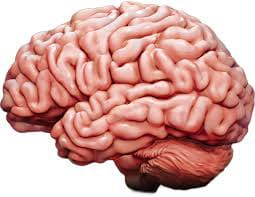
Every year on July 22, the world marks World Brain Day, an initiative of the World Federation of Neurology (WFN) to promote brain health and raise awareness about neurological disorders. The theme for World Brain Day 2026, “Brain Health: Access for All,” calls for timely diagnosis, quality neurological care and equal access to treatment for people everywhere.
The campaign comes at a time when neurological disorders have become one of the world’s biggest health challenges. According to the World Federation of Neurology, more than 3.4 billion people are living with neurological conditions, making them the leading cause of disability worldwide. Professor Tissa Wijeratne, Chair of the World Brain Day 2026 campaign, captured the urgency in a simple message: “Access delayed is potentially access denied.”
The warning is particularly relevant in Nigeria. On August 4, 2025, the Federal Ministry of Health and Social Welfare convened the First African Neurological Summit in Abuja to address the growing burden of brain disorders across the continent. Speaking on behalf of the Coordinating Minister of Health and Social Welfare, Prof. Muhammad Ali Pate, ministry officials described neurological disorders as a major public health challenge and called for earlier diagnosis, stronger neurological services, increased specialist training, research and public awareness. The Ministry also identified stroke, migraine, dementia, meningitis and epilepsy as major contributors to neurological disability.
For many families, brain disease does not begin with dramatic symptoms. It often starts quietly. A loved one may begin repeating the same questions, forgetting recent conversations, becoming unusually impulsive, making poor financial decisions or displaying unexpected changes in behaviour and personality. These changes are often dismissed as part of ageing, delaying the medical attention that could make a meaningful difference.
One of the most common neurological disorders is dementia, a condition that gradually affects memory, thinking and the ability to carry out everyday activities. Alzheimer’s disease is the most common form, but dementia can also result from other conditions, including vascular disease and frontotemporal disorders. In some people, changes in behaviour, judgment or personality may appear before significant memory loss.
Another major neurological emergency is stroke, which occurs when blood flow to part of the brain is interrupted or when a blood vessel ruptures. Prompt treatment is critical because brain cells begin to die within minutes. Epilepsy, which causes recurrent seizures, is another common neurological disorder that affects people of all ages and remains surrounded by stigma and misunderstanding in many communities.
Dr. Mansur Idris, Head Consultant Neurosurgeon at the National Hospital Abuja, has warned that “Seizures or behavioural changes are often mistaken for spiritual attacks.” His observation reflects a persistent challenge in Nigeria, where misconceptions sometimes delay hospital visits and appropriate medical care.
Medical experts agree that not every episode of forgetfulness is a sign of dementia. However, persistent memory loss, confusion, personality changes, poor judgment, difficulty performing familiar tasks, getting lost in familiar places or repeated changes in behaviour should never be dismissed simply as “old age.” These symptoms deserve professional medical evaluation because several neurological and medical conditions can produce similar signs, and some are treatable if identified early.
Protecting the brain begins with everyday choices. Controlling high blood pressure, diabetes and high cholesterol reduces the risk of stroke and some forms of dementia.
World Brain Day is more than an annual health campaign. It is a reminder that brain health deserves the same attention we give to heart health and other aspects of physical wellbeing. Recognising early warning signs, seeking timely medical care and adopting healthier lifestyles can preserve memory, independence and quality of life.
The brain is the centre of our thoughts, our decisions, our relationships and our identity. Protecting it begins with awareness, continues with healthy living and is strengthened by seeking help when something does not seem right. On this World Brain Day, that is a message worth remembering.