

2026 Hajj: Saudi Ministry of Hajj and Umrah Holds One-Day Workshop to Strengthen Pilgrims’ Services
Shafii Sani Mohammed, Saudi Arabia
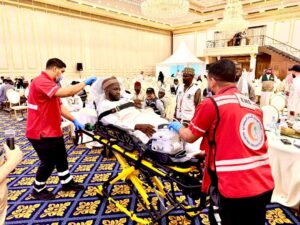
The Ministry of Hajj and Umrah on Monday, 18th May 2026, organised a one-day interactive workshop for hospitality centres aimed at enhancing pilgrims’ guidance, safety awareness and service delivery during the 2026 Hajj operations.
The workshop brought together Hajj officials, hospitality service providers and key stakeholders involved in pilgrims’ welfare and operations across the Kingdom of Saudi Arabia.
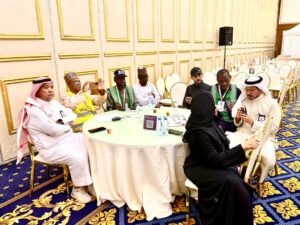
The Nigerian delegation at the session was led by the Deputy Makkah Coordinator of the National Hajj Commission of Nigeria, Mallam Ibrahim Idris, alongside representatives from various State Muslim Pilgrims Welfare Boards, Commissions and Agencies.
Speaking during the workshop, Mallam Ibrahim Idris conveyed the goodwill message of the Chairman of NAHCON, Ambassador Ismail Abba Yusuf, who is currently overseeing the ongoing airlift of Nigerian pilgrims from Nigeria as well as other critical aspects of the 2026 Hajj operations before his arrival in the Kingdom of Saudi Arabia.
Ambassador Yusuf, through the Deputy Makkah Coordinator, also assured the Saudi authorities of the full cooperation of the Nigerian contingent, affirming that Nigerian pilgrims and officials would continue to comply with all policies, regulations and operational guidelines of the Kingdom of Saudi Arabia throughout the Hajj exercise.
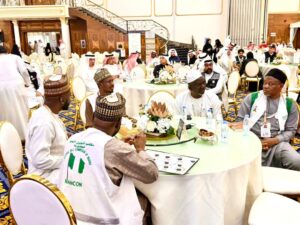
Deliberations during the workshop focused on strategies for improving coordination and operational efficiency during the Mashaer phase of Hajj, particularly pilgrims’ movement between Mina, Arafat and Muzdalifah.
Facilitators at the session emphasised the importance of organised group movement under designated officials and coordinators to minimise cases of missing pilgrims and ensure seamless movement during the exercise.
The workshop also featured practical demonstrations on the use of Nusuk cards and digital applications designed to support pilgrims with navigation, identification and access to essential services while in the Holy Land. Participants were informed that the digital platforms would assist pilgrims in locating camps, transportation routes and emergency support services with ease.
Stakeholders further stressed the need for sustained awareness campaigns and proper orientation programmes for pilgrims before and during the Hajj exercise, noting that adequate information dissemination remains critical to the success of the operation.
Discussions also covered emergency response procedures, medical support arrangements and improved collaboration among hospitality centres, service providers and Hajj officials in addressing challenges that may arise during the pilgrimage.
Participants commended the initiative by the Saudi Ministry of Hajj and Umrah, describing the workshop as timely and instrumental in enhancing cooperation among stakeholders while improving the overall welfare and experience of pilgrims during the 2026 Hajj season.
Shafii reports from Makkah, Saudi Arabia